

Assuming that we are essentially good people underneath it all, I thought it would be interesting to have a look at what we could accomplish in the next year, ten years or fifty years.
The reason I start off by reminding us of our innate goodness is to say that each day that passes, all things considered, we're doing better than we were yesterday. Some things fall by the way side, mistakes and accidents happen but overall, I would like to think that our forward motion outweighs our back pedalling.
We've always heard the old man hark that the world is going to hell, profits claiming that the world will come to an end on such and such date. I'm feeling optimistic. Maybe because I don't believe everything I read but mostly it's becasue I'm not an optimist at all, I'm a realist.
The world hasn't ended yet.
Saying when the world will end, is just a waste of time and wasting time is definitely going backwards.
Know Your History
From where we were a hundred years ago, some things have changed for the better and some for the worse. War still rages on and for the time being I don't see that changing but so far as world conflict, I'd say we've done well not to start world war three. That's a positive.
A hundred years ago there was also the Great Depression. Even though we've experienced something similar quite recently, the situation has most certainly gotten worse since 1930.
 New diseases will keep cropping up. WHO claims that cancer is on the rise and yet we are curing more of the damn thing everyday and will continue to do so. We're not going to just stop.
Famine has almost certainly gotten worse. Out of the days of empire the indie nations were granted the freedom to starve and left to do so but the technologies that can get charitable aid to them have improved.
Our fantabulous internet lets the world know there's a crisis going on and floods of donations can help save a life or two when it happens. It is still nowhere near ideal but we're getting better at it.
Medicine, technology and food, the sciences are quite simply keeping us all alive and perhaps they can help us in the future to deal with these other challenges that still go unattended.
Ten Years Time
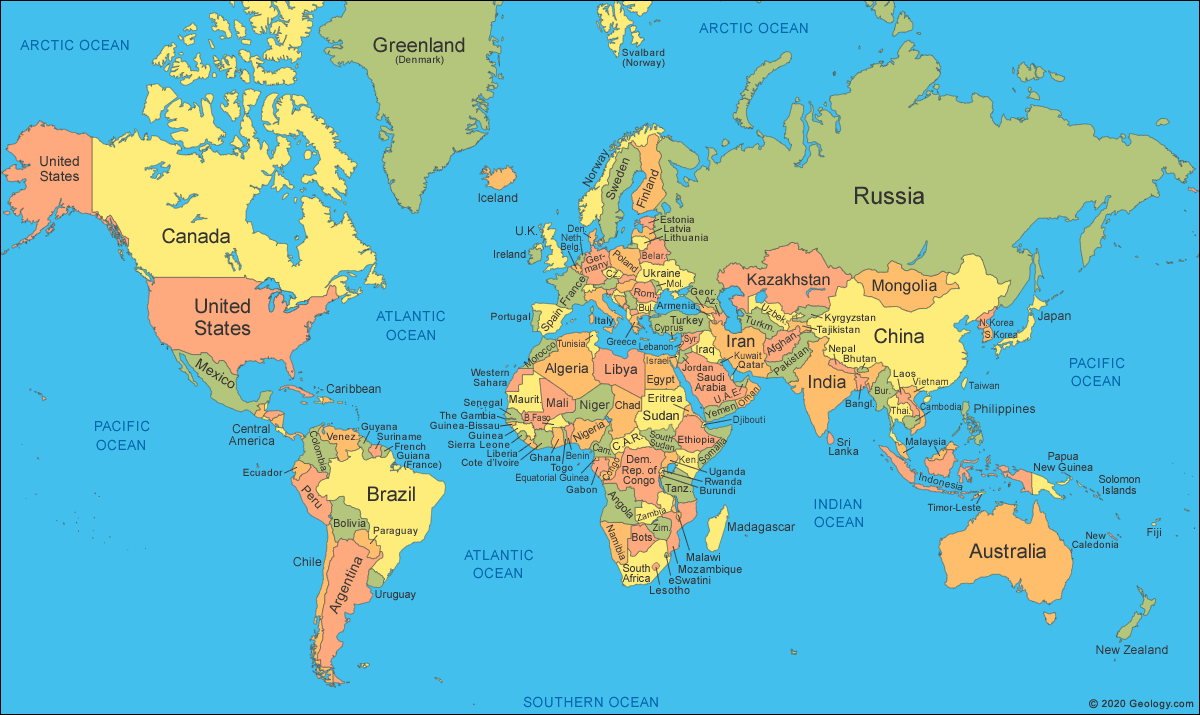
Location. I despise tag lines and try to think up new one's of my own but this one fits. It's important to consider that even ten years ago there were still corners of the world going unadulterated. For the next ten years this will no longer be the case and be an astounding first for civilisation.
Having coloured in the map and connected all the dots we'll have no other choice than to address concerns outside of the scientific sphere, and begin a deliberate effort to bring them into it.
 Communication will have to play the supporting role as the English language spreads even more widely to develop relations where none were possible before.
Two previously incoherent people will be able to sit down together and hash out some plans for the future. The walls that stood between them in the past rather rapidly transform into bridges.
Having filled in the blanks and built our bridges we come to what will happen next and speculate on the worth of our will power. No doubt that in ten, twenty, fifty and more years time there will be new dilemmas and problems to face but we'll have to begin with people, because that's where we will have gotten.
Population
When you consider that there are more people alive than dead, it's quite a harrowing concept to wrap one's noggen around but the claims that over population is a problem, seems brutish.

Housing has to come next. Architects are told that they will always have a job, even if they'll be programming computers to do it for them. There's plenty of space left in the sky, space underground and all around.
While our designers, engineers and labourers may have their work cut out for them, the same rule applies that there's plenty of people to build houses as there are farmers to grow crops.
Over population would probably be more of a concern two hundred years from now but so long as the premise holds for the next twenty to thirty years, we really should have thought up something along the lines of terraforming other planets by then or something else far beyond modern imagination.
Two To Three Decades
Moving onto twenty years from now we'll probably find ourselves addressing the problems humanity has been dealing with for a slightly longer time.
Pollution of the environment we live in probably won't be tolerated by those that sat around the table ten years earlier. The power companies might seed us with the idea that oil is running out today but I can promise you, there's still enough of the juice left to turn the sky black and burn the planet to dust.

Once the idea of eradicating polluting energies has been discussed, it might kick off the idea to stop polluting ourselves as well and by then, we will have the technologies we have now, put into practice.
Thirty years from now the interconnected globe should probably be quite harmonious so far as communication is concerned which would develop, a consensus.
This consensus might just start talking about the even longer standing issues and pick up on the erosion of famine and disease. Most cancers should be curable by now and treatments exist for anything that is not.
Crops and livestock may even have moved out of the fields, through the labs and start being grown in factories and fridges but it's the consensus that will get them to those who need them the most, because food and medicine would become undeniably cheap.
Something Old
If and when that happens, there'll only be one last step to take. The same step that set us all on such a wild path in the first place and the only thing left to do will be to finish off the longest standing issue of all time.

Machines should be busy with all the mining, harvesting, production and delivery providing such efficient services that they might have problems giving their products away.
Speculation on stocks would hit rock bottom and all the bankers, investors and trillionaires start wondering what to do with their time. Some would probably fight back and fight hard for a long, long time but futile it would be.
Fifty to a hundred years from now might see a cold war of science versus money and due to that innate spirit of ours the disease of currency itself become diseased, shrivel up and eventually take it's final resting place in the annals of time.
All of this is most likely hokum. I know that, you know that but that does not mean it is not one possibility. Anything is possible.
#future #hope #spirit